
No one should face abuse alone.
Solid Hearts helps people affected by emotional, physical, domestic, family and sexual abuse — with education, advocacy, community support, and a warm handover to the right service.
- Everyone can say what respect feels like.
- Every parent has the words for a hard kōrero.
- Every club and community group knows what to do when someone speaks up.
- Every community holds the standard — not just the services.
Solid Hearts is a trusted community organisation supporting people of all genders, ages, cultures, and backgrounds affected by emotional, physical, domestic, family, and sexual abuse — through education, advocacy, community support, and pathways to trusted services.
We partner with
- MFCNZ
- Sovata AI
- Pelora Labs
Six pillars. One approach.
Safety, education, healing, inclusion, community and respect. Each one can be measured, and each one holds up the others.
Each pillar carries a measurement indicator, because a pillar diagram without one is a picture rather than a plan.
Emotional and physical safety is the starting condition for everything else we do, not an afterthought.
Every workshop, mentoring relationship and community event is built on safeguarding infrastructure — vetting, supervision, and disclosure pathways agreed before we ever run a session. Safety is a system we audit, not a promise we make once and move on from.
Safety in practice →How we measure it
Facilitators Police-vetted and re-vetted every three years
Vetting register, maintained by our Safeguarding Lead
Workshops and educational programmes that give people the language and confidence to recognise abuse before it escalates.
Family Violence Education and Community Workshops are delivered through community groups, workplaces and cultural organisations — open to people of all genders, ages, cultures and backgrounds. The goal is not awareness alone. It is capability: the ability to recognise abuse, understand healthy relationships, and know exactly what to do next.
Education in practice →How we measure it
Pre/post capability shift per workshop cohort
Validated self-report instrument, administered at delivery and at 12 weeks
Supporting people affected by abuse with warm, practical pathways to specialist help.
We are not a crisis or counselling service, and we are careful never to present as one. What we do is build and practise referral pathways into specialist support, so that anyone who reaches out to Survivor Support — or discloses during a workshop — reaches the right help quickly, safely and without judgement.
Healing in practice →How we measure it
Warm referrals into specialist support completed
Referral pathway log, reviewed quarterly by our Safeguarding Lead
Reaching the communities most often missed — ethnic and migrant communities, rural areas, and people with the least access.
Prevention that only reaches communities who already have resources widens the gap it is meant to close. We build materials and deliver awareness campaigns in the languages our communities actually speak, and design every partnership around the community's own priorities, not ours. Solid Hearts supports people of all genders, ages, cultures and backgrounds — this pillar is how we make sure that is true in practice, not just in policy.
Inclusion in practice →How we measure it
Campaigns and workshops delivered in community languages, including te reo Māori and Pacific languages
Delivery register by language and community
Community engagement, volunteering and events, so support outlasts any single workshop or funding round.
Programmes that arrive and leave do not change communities. We train and support local volunteers — coaches, community leaders, event crews — to hold the standard themselves, and we run community events and fundraising that keep the work visible between workshops.
Community in practice →How we measure it
Active volunteers and community partnerships
Volunteer management system, reviewed quarterly
Promoting healthy, respectful relationships and empowering positive role models in every community we work with.
Respect is not just a value we hold — it is a skill we help people build, at every age and in every kind of relationship: friendships, families, workplaces and communities. We work with community leaders, coaches and volunteers, because respect is best learned from people you already trust.
Respect in practice →How we measure it
Participants and volunteers actively promoting respectful relationships in their own communities
Programme roll, with retention and progression tracked by cohort
What it looks like, in practice
Workshops, training and community events — real moments, never a re-enactment of harm.
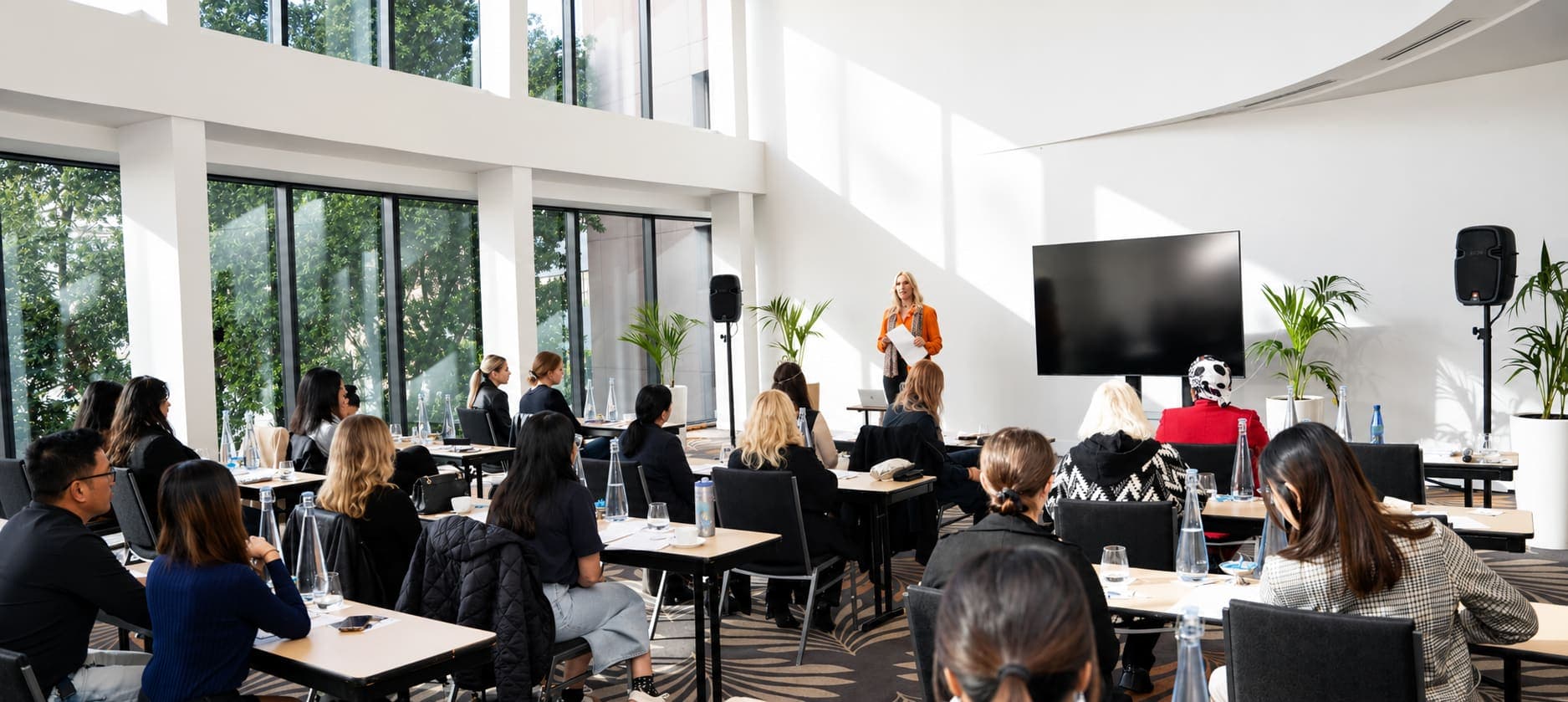
A community workshop, in session 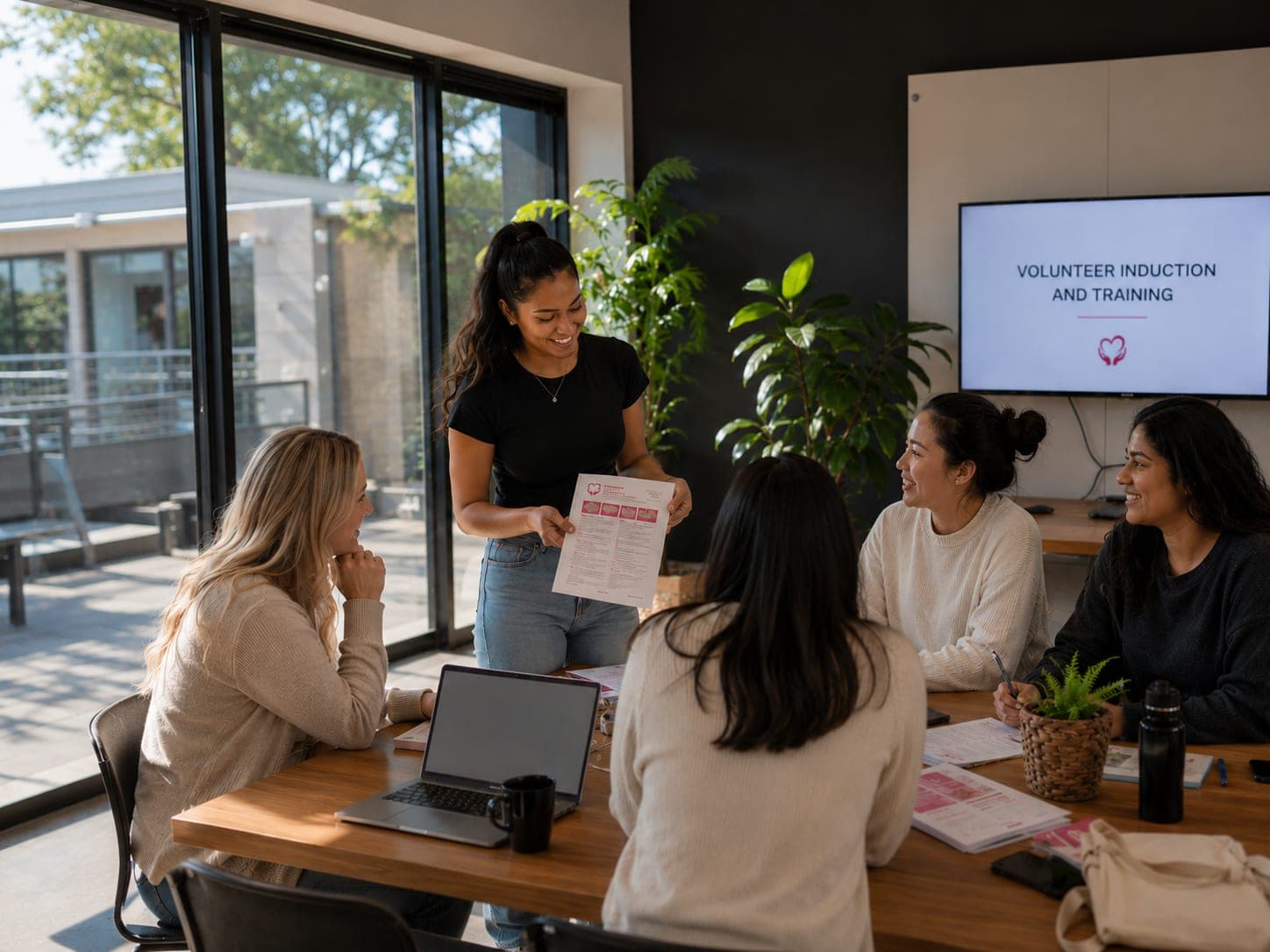
Volunteer training day 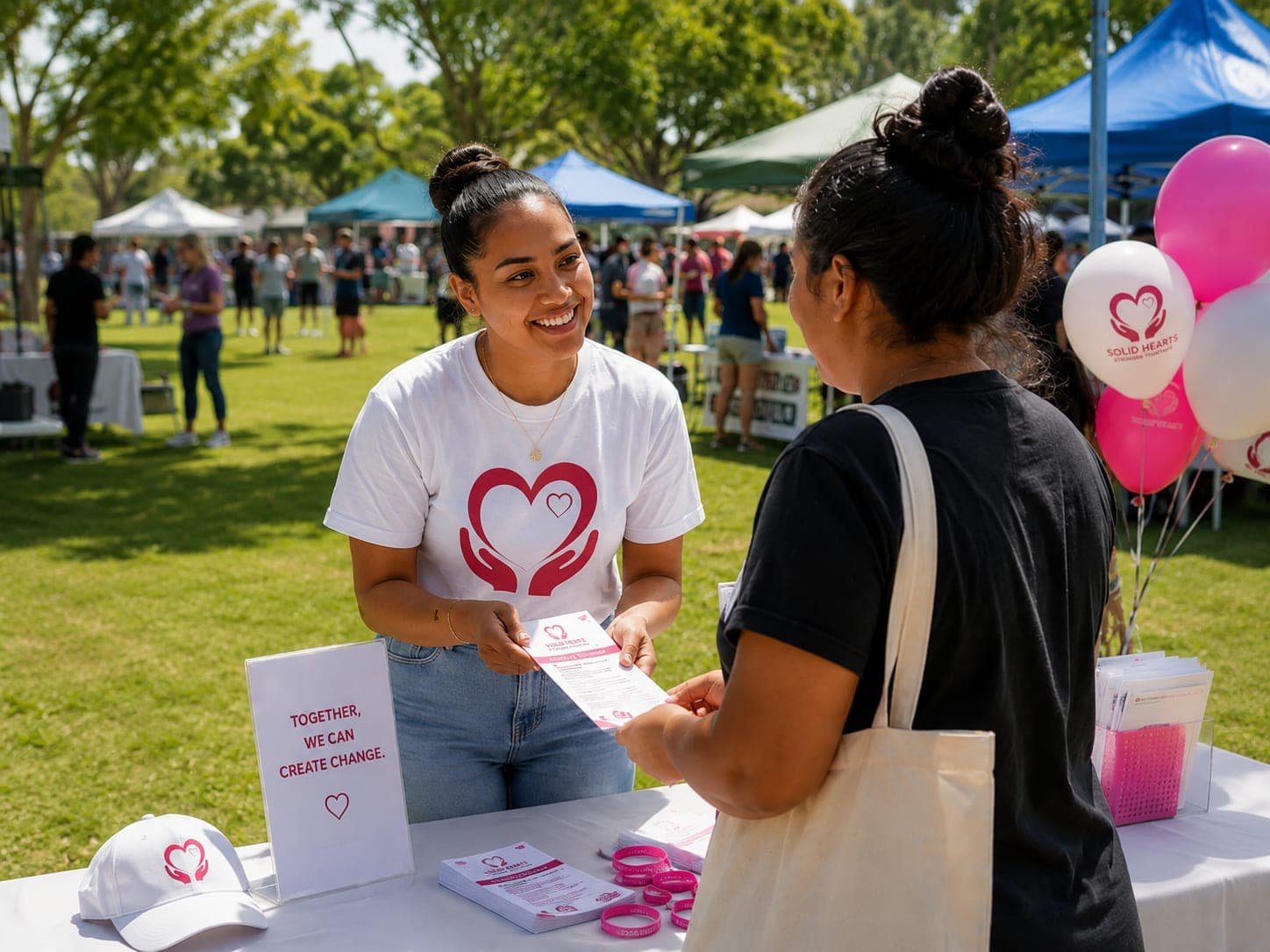
Solid Hearts at a community event 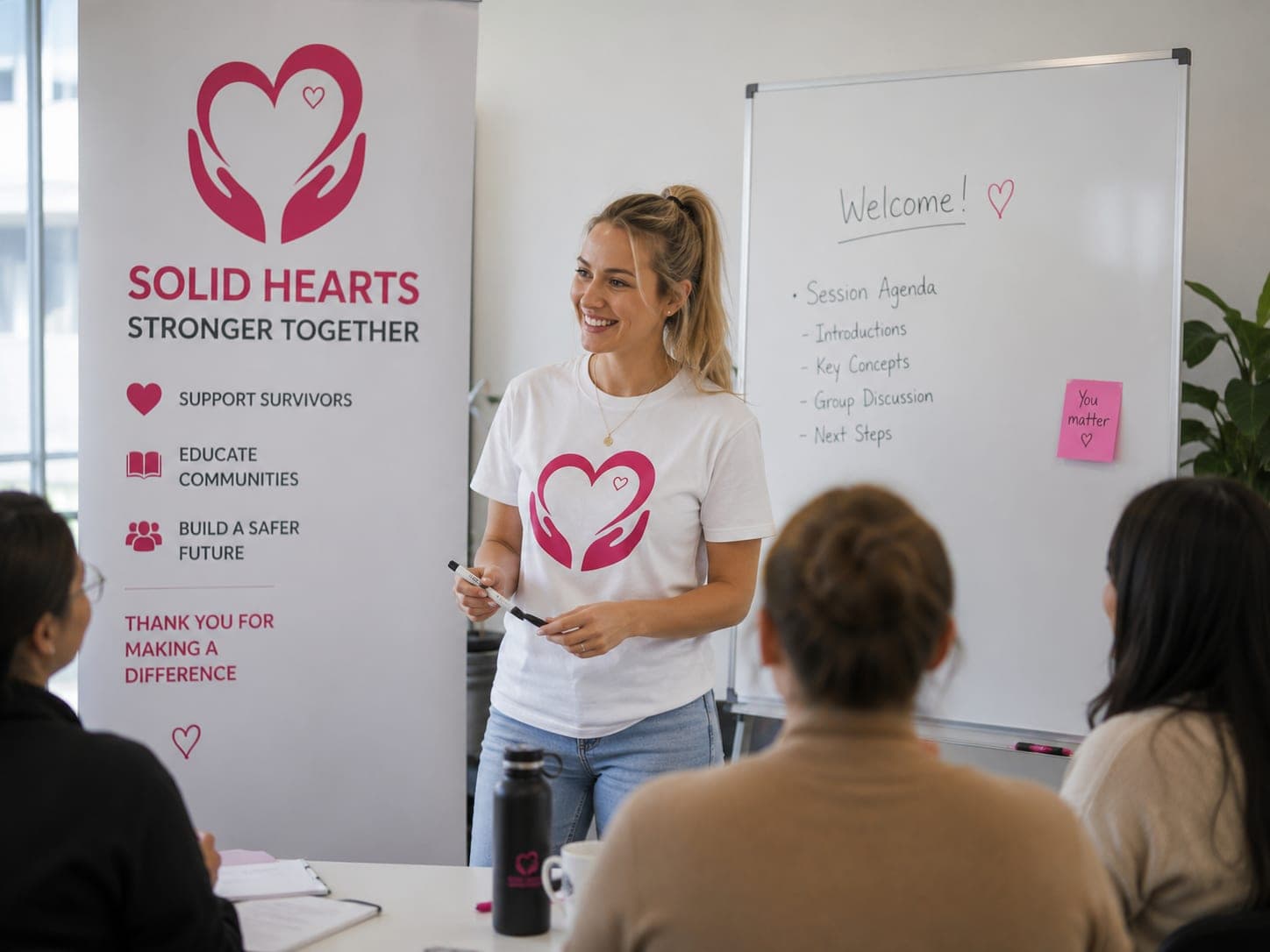
Getting ready to host a session 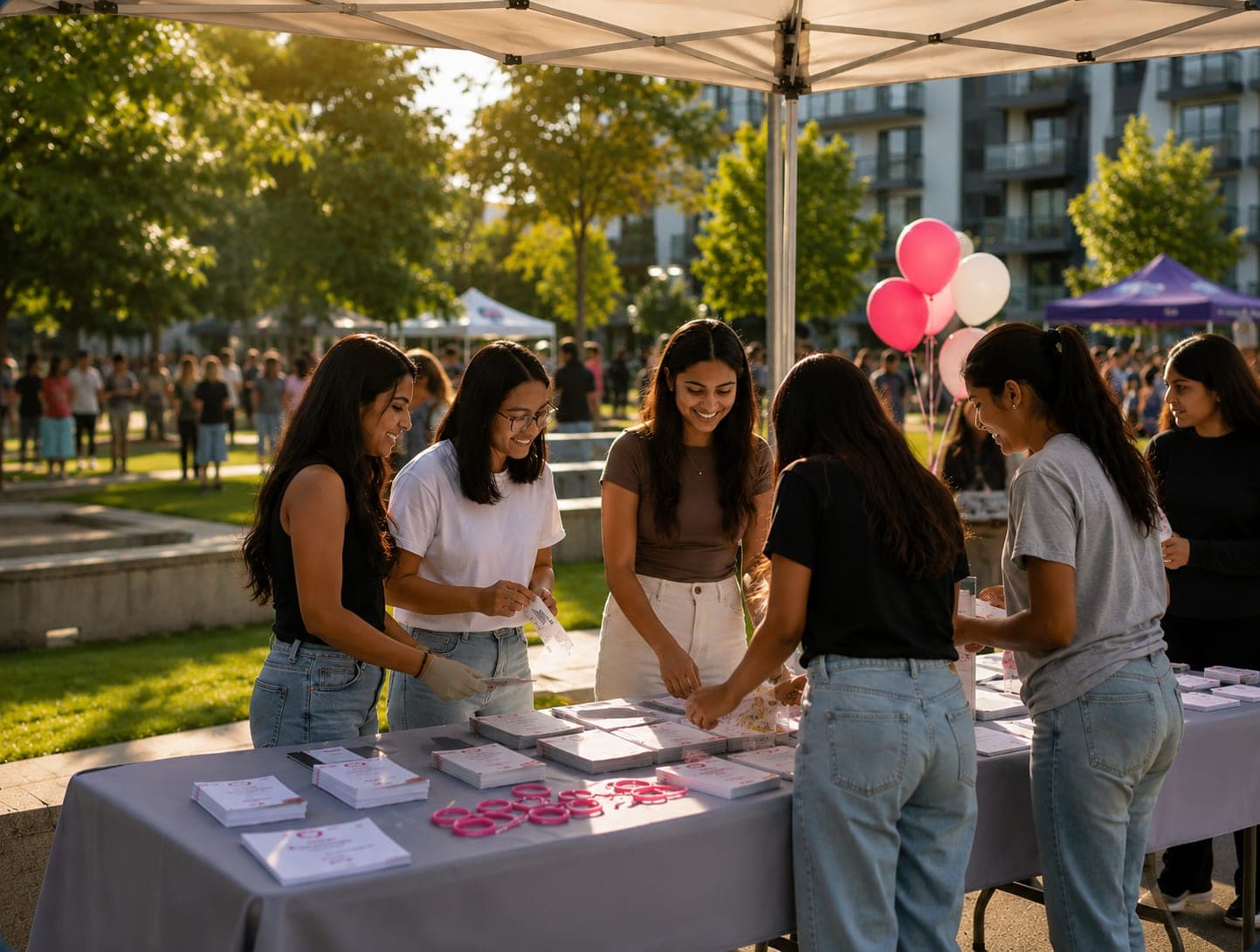
An awareness campaign in the community 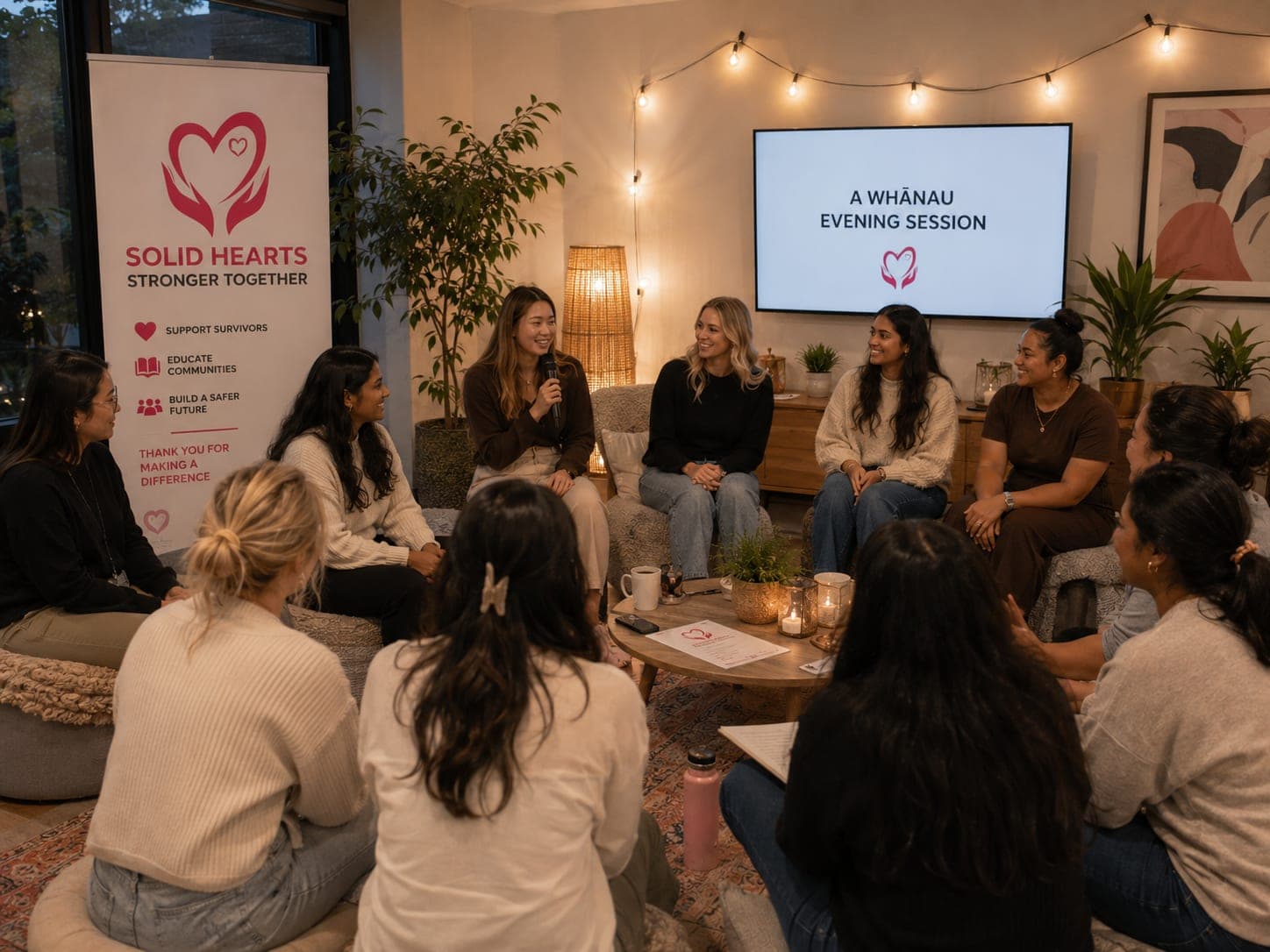
A whānau evening
In their own words.
Workshop participants, parents and community leaders on what changed for them.
How we tell stories
- We never publish an account of abuse itself. Our stories are about capability gained, not harm suffered.
- Consent is written, specific, revocable at any time, and reviewed annually. Withdrawal takes effect immediately with no questions asked.
- Nobody is asked to share their experience in order to support a funding application.
- Young people are identified only as they and their whānau choose, and never in a way that could locate them.
- People approve the final published version, not just the interview. If they want a sentence gone, it goes.
- We pay for people's time when we ask them to contribute to our communications.
Aotearoa is a great place to grow up. For too many, it is also a hard one.
The numbers are real. So is the opportunity — because nearly all of this harm can be prevented.
0
family harm call-outs Police attend each year
That is one every three minutes. Police say most family harm is never reported at all.
Every call-out is a response. Prevention works earlier than the call.
Source: New Zealand Police, family harm investigation statistics, 2023/24
Indicative figure for design review — to be confirmed against the primary source before launch.
1 in 3
women in Aotearoa experience physical or sexual violence from a partner
This is the finding of the New Zealand Family Violence Study — the most thorough research we have. Men and takatāpui people are affected too, and report it less often.
These numbers reflect conditions we have allowed. Conditions can change.
Source: New Zealand Family Violence Study, University of Auckland, 2019
Indicative figure for design review — to be confirmed against the primary source before launch.
$0.0b
family violence costs Aotearoa every year
Health, justice, corrections, welfare and lost work. Every taxpayer carries it.
Prevention is the only thing that lowers this number instead of managing it.
Source: Treasury and MSD cost-of-violence estimates, 2021
Indicative figure for design review — to be confirmed against the primary source before launch.
0%
of young people who are harmed tell a friend first — not an adult
Most disclosures go sideways to a mate long before they reach a service.
This is why prevention education matters: the first responder is often a 15-year-old.
Source: Youth19 Rangatahi Smart Survey and international disclosure research, 2021
Indicative figure for design review — to be confirmed against the primary source before launch.
Nearly all of it can be prevented.
Abuse is not random and it is not inevitable. It follows patterns we can see, in conditions we can change, with warning signs people can learn to spot. That is not wishful thinking — it is what forty years of prevention research shows.
Abuse is not inevitable. Something always comes first.
Crisis services are essential and always will be. But a system that only responds is a system that waits. Prevention asks a different question: what would have had to change for this never to happen?
1 person
One person learns
Someone learns to name control for what it is — and that asking for help is not disloyal.
~12 people
A group of friends shifts
They tell their mates. What the group treats as normal quietly moves, and stays moved.
~5 households
A whānau changes
The kōrero reaches home. A parent responds differently to the way they were raised.
~900 people
A community changes
Organisers know what to do when someone speaks up, and so does everyone else. Reports go up before harm goes down — that is the system working.
A generation
A generation carries it on
Those people become parents, coaches, managers and mentors. The learning adds up.
Acting early costs less
Prevention research around the world keeps finding the same thing: early education and community programmes save several dollars in later health, justice and welfare costs for every dollar spent. Crisis response is the most expensive place to step in, and the least likely to change what happens next.
We will not publish a return-on-investment figure for our own programmes until our independent evaluation is done. The direction comes from international research, not from a claim about Solid Hearts.
$1
Every $1 spent on prevention
saves more in future health, justice and welfare costs
Education. Confidence. Community.